



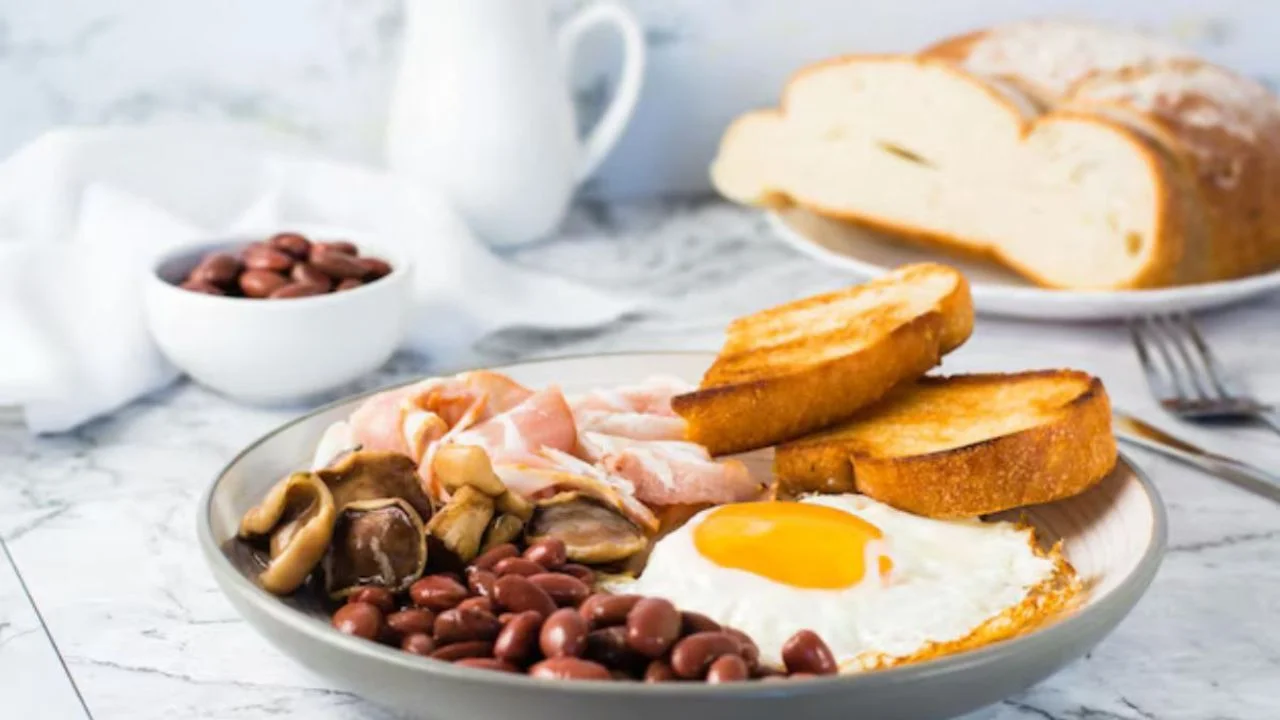

Toast is more than just a simple slice of bread. It’s a canvas for culinary creativity and comfort, enjoyed by millions around the globe. From buttery breakfast essentials to gourmet masterpieces, toast has evolved over centuries into a beloved staple that graces tables everywhere. Whether you prefer it crunchy or soft, sweet or savory, there’s something undeniably satisfying about this versatile food. Join us as we explore the fascinating journey of toast—from its ancient origins to modern variations that tantalize our taste buds!
The Origins of Toast: A Brief History
The journey of toast dates back to ancient civilizations. The Romans were among the first to grill bread over an open flame, transforming stale loaves into crispy delights. This method not only enhanced flavor but also extended shelf life.
Fast forward to the Middle Ages, where toasted bread became a staple in Europe. It was often used as a base for soups and broths, soaking up flavors while providing additional texture.
By the 18th century, toast gained popularity as a breakfast item. Simple yet satisfying, it became commonplace in households across England and beyond.
Innovations in cooking technology further propelled its status. The invention of electric toasters in the early 20th century revolutionized how we prepare this classic food, making it even more accessible and enjoyable for everyone at any time of day.
How Toast Became a Staple Breakfast Item
Toast evolved from a simple necessity into a beloved breakfast staple. The act of toasting bread began as a method to preserve it longer. Heating the bread made it less prone to spoilage, allowing families to enjoy their loaves for days.
As the Industrial Revolution took hold, mass-produced bread became widely available. This led to an increase in toast consumption. A quick slice of toasted bread paired well with morning routines that were growing busier by the decade.
With its crispy texture and warm aroma, toast quickly captured hearts across kitchens worldwide. It was an affordable option loved by many—easy to prepare and versatile enough for any palate.
People began topping their toast with everything from butter and jam to avocado or eggs, elevating this humble dish further. Its adaptability ensured that toast would remain not just relevant but essential at breakfast tables everywhere.
Types of Toast: From Basic to Gourmet
Toast comes in many forms, each offering its own charm. The classic slice of buttered white or whole grain bread is a morning staple for millions. It’s simple yet satisfying.
Then there’s the beloved avocado toast. This trendy twist elevates breakfast with creamy avocado and toppings like chili flakes or poached eggs.
For those craving something sweeter, cinnamon sugar toast delivers nostalgia in every bite. A sprinkle of cinnamon transforms plain toast into a delightful treat.
Going gourmet? Think artisan breads topped with savory spreads like hummus and roasted vegetables or even ricotta cheese drizzled with honey and nuts.
The possibilities are endless when you experiment with various ingredients, from fresh herbs to exotic spices. Each type tells its own story while fitting seamlessly into any meal plan or occasion.
Health Benefits of Eating Toast
Toast can be more than just a tasty treat; it offers several health benefits too. When made from whole grain bread, toast provides essential nutrients and fiber. This helps with digestion and keeps you feeling full longer.
Complex carbohydrates in toast are a great source of energy. They fuel your body for the day ahead, making it an ideal breakfast choice for busy mornings.
Adding toppings like avocado or nut butter enhances its nutritional profile. These options provide healthy fats and proteins that support heart health and muscle function.
Moreover, toast can be easily customized to fit various dietary needs. Whether gluten-free or low-carb, there’s a way to enjoy this versatile food while maintaining a balanced diet.
Incorporating toast into your meals allows for creativity without sacrificing nutrition. It serves as an excellent base for countless delicious combinations!
Creative Ways to Enjoy Toast
Toast can be a blank canvas for your culinary creativity. Think beyond butter and jam.
Avocado toast is a crowd favorite, but why not add some radishes or poached eggs for an extra kick?
Try spreading hummus on whole grain bread, then top it with roasted veggies or fresh herbs. The combination of flavors will surprise you.
For the sweet tooth, slather almond butter and sprinkle cinnamon over your toast. Add sliced bananas for that perfect balance of crunch and creaminess.
Fancy dessert? Toast slices brushed with olive oil make a great base for strawberries drizzled with balsamic glaze. It’s elegant yet simple.
Experimenting with spices can elevate even standard toast options. A dash of chili flakes or za’atar can transform ordinary toppings into something extraordinary.
Don’t shy away from savory combinations either; cheese and fig preserves create a delightful contrast worth savoring!
Toast Around the World: Unique Variations
Toast takes on many forms across the globe, each reflecting local flavors and traditions. In Spain, you’ll find “tostada,” often topped with ripe tomatoes and drizzled with olive oil for a delicious breakfast or snack.
In Italy, “bruschetta” reigns supreme. This toasted bread is usually adorned with fresh basil, garlic, and seasonal vegetables—a celebration of simplicity at its best.
Venture to Mexico for “molletes.” Here, bolillo bread is sliced in half, slathered with refried beans and melted cheese—perfectly paired with salsa for an added kick.
In Japan, “shokupan” toast gets a twist. Often served thick-cut and lightly grilled to achieve a crunchy exterior while maintaining softness inside. It’s typically enjoyed sweetened with fruit jams or savory toppings like avocado.
These variations showcase how adaptable toast can be. Each region adds its unique flair that speaks volumes about cultural tastes and culinary heritage.
Conclusion: Why We Love This Simple Yet Versatile Food
Toast holds a special place in our hearts and kitchens. Its simplicity is part of its charm. A slice of bread transformed by heat becomes the canvas for countless toppings and flavors.
Whether you prefer it buttery, jammy, or topped with avocado, there’s a toast variation for everyone. It brings comfort in the morning and versatility to any meal throughout the day.
The health benefits are an added bonus, from whole grain options to gluten-free choices that accommodate various diets. Plus, the ease of making toast lends itself to creativity; there’s no limit on what we can create with this humble dish.
From breakfast tables around the world to fancy brunch menus at restaurants, toast has adapted beautifully through time and culture. Each bite tells a story—a tradition passed down through generations or a new trend emerging on social media feeds.
Perhaps that’s why we love toast so much: it’s not just food; it’s an experience that connects us all while satisfying our cravings in delightful ways.




