




Everything You Need to Know About Nail Files: The Ultimate Guide
A nail file is an essential tool in every nail care routine. Whether you’re at home doing your own manicure or visiting a salon, using the right nail file can make a huge difference in the appearance and health of your nails. In this comprehensive guide, we’ll explore the different types of nail files, their uses, and how to choose the best one for your needs.
What Is a Nail File?
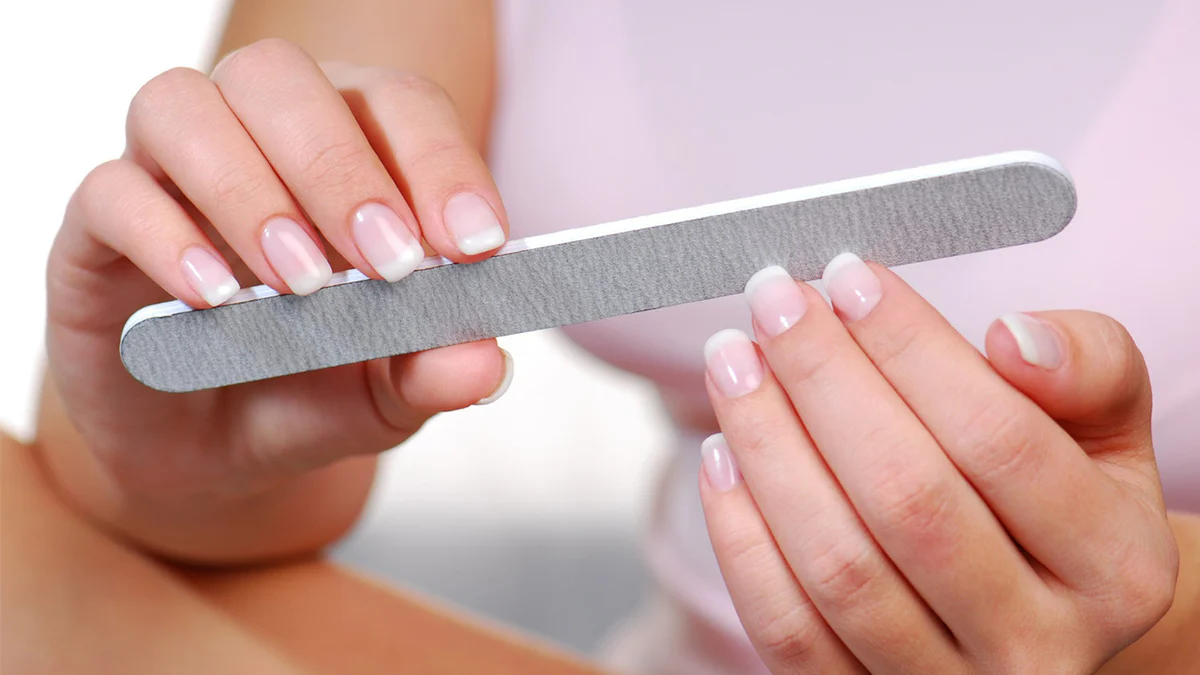
A nail file is a tool used to shape and smooth the edges of your nails. It is typically made of an abrasive material, which helps to file down the nail’s surface and refine its shape. Nail files are available in a variety of shapes, sizes, and materials, each offering specific benefits for different types of nails and filing techniques.
Whether you prefer square, round, almond, or stiletto-shaped nails, using a nail file helps to achieve the desired shape while preventing rough edges and reducing the risk of nail breakage. Proper filing not only enhances the appearance of your nails but also keeps them healthy and strong.
Why Is Using a Nail File Important?
Using a nail file is important for maintaining both the appearance and health of your nails. Here’s why:
1. Prevents Nail Breakage
Nails that are left with jagged or uneven edges are more prone to breaking or splitting. A nail file smooths the edges and helps prevent snagging, ensuring your nails are less likely to break.
2. Shapes Nails for Aesthetic Appeal
A good nail file allows you to shape your nails into various styles. Whether you want a natural oval, a sharp stiletto, or a classic square, a nail file is your go-to tool for achieving that desired shape.
3. Promotes Nail Health
Filing your nails properly can help promote healthy nail growth by preventing damage. It’s essential to file your nails gently and avoid over-filing, which can weaken the nail and lead to splitting.
4. Improves Polish Application
Smooth, well-shaped nails are the perfect base for nail polish. When your nails are properly filed, nail polish adheres better and lasts longer, giving you a clean, professional finish.
Types of Nail Files
Not all nail files are created equal. Depending on your nail type and desired outcome, you may want to use different types of nail files. Here are the most common types of nail files:
1. Emery Boards
Emery boards are the most common type of nail file and are generally used for natural nails. They are made of cardboard with a rough abrasive surface on both sides. Emery boards are often affordable and come in various grit levels, making them suitable for basic nail care.
-
Pros: Affordable, available in various grits, disposable.
-
Cons: Less durable, can wear down quickly.
When to use emery boards: Ideal for quick nail shaping and basic filing tasks. Suitable for natural nails or light filing.
2. Glass Nail Files
Glass nail files are made from tempered glass and are known for their smooth and gentle filing action. They are less abrasive than emery boards, making them a great option for those with weak or brittle nails.
-
Pros: Gentle on nails, durable, long-lasting, easy to clean.
-
Cons: More expensive than emery boards, may break if dropped.
When to use glass nail files: Great for individuals with weak or delicate nails. Perfect for filing nails without causing damage or roughness.
3. Crystal Nail Files
Crystal nail files are similar to glass nail files but are made from high-quality, tempered crystal. They offer a smooth filing experience and are less likely to cause splits or cracks in your nails. They are also durable and long-lasting.
-
Pros: Smooth filing action, prevents nail splits, durable, easy to clean.
-
Cons: More expensive, fragile if dropped.
When to use crystal nail files: Ideal for those looking for a high-quality, professional-grade file. Great for sensitive or fragile nails.
4. Metal Nail Files
Metal nail files are made of stainless steel and feature a rough abrasive surface. They are durable and long-lasting but can be harsh on nails if used incorrectly. They are often used by professionals in salons.
-
Pros: Very durable, long-lasting, ideal for shaping thick nails.
-
Cons: Can cause damage if used incorrectly, may be too rough for weak or thin nails.
When to use metal nail files: Best for thick nails or those requiring heavy-duty filing. Professionals often use these for quick, efficient filing.
5. Buffer Blocks
Buffer blocks are used to smooth and shine the nail surface rather than shape the nail. They often come with multiple sides with different grit levels. The goal is to smooth out ridges and imperfections, leaving a shiny, polished finish without the need for nail polish.
-
Pros: Smooths out ridges, adds shine, helps improve nail health.
-
Cons: Not used for shaping, may require multiple steps.
When to use buffer blocks: Perfect for buffing the nail surface and creating a smooth, glossy finish. Often used as a pre-polishing step.
How to Use a Nail File Correctly
Using a nail file properly is key to achieving the best results while preventing damage to your nails. Here’s a step-by-step guide on how to file your nails correctly:
Step 1: Clean and Prep Your Nails
Before filing your nails, make sure they are clean and dry. Wash your hands and remove any old nail polish. Trim your nails to the desired length and use a cuticle pusher to gently push back your cuticles.
Step 2: Choose the Right Nail File
Select the appropriate nail file based on your nail type and the design you want to achieve. If you have brittle nails, opt for a gentler file, such as a glass or crystal file. If your nails are thick and strong, a metal or emery board file might be a better choice.
Step 3: File in One Direction
To avoid splitting or tearing your nails, file them in one direction, rather than back and forth. Start at one corner of the nail and file toward the center. This will help create a clean, smooth edge.
Step 4: Shape Your Nails
Shape your nails to your desired form, whether that’s oval, square, almond, or stiletto. Avoid filing the nails too aggressively, as this can cause damage and weaken the nail.
Step 5: Smooth the Edges
After shaping your nails, use the file to smooth out any rough edges or snags. This ensures a polished and professional look, especially if you’re preparing your nails for polish.
Step 6: Buff the Nail Surface (Optional)
If you want to smooth out ridges or add shine, use a buffer block. Gently buff the surface of the nail using light strokes. Don’t over-buff, as this can thin the nail and cause damage.
Step 7: Moisturize Your Nails
After filing and buffing, apply cuticle oil or hand lotion to hydrate your nails and cuticles. This helps maintain the health of your nails and prevents dryness or cracking.
Nail File Maintenance and Care
Proper maintenance of your nail file is essential to ensure its longevity and effectiveness. Here are some tips for caring for your nail files:
1. Clean Regularly
After each use, clean your nail file to remove any nail dust, polish, or debris. For emery boards, simply wipe them down with a damp cloth. Glass and crystal files can be washed with soap and water and wiped dry.
2. Replace When Worn
Nail files lose their abrasiveness over time, so it’s important to replace them when they become worn. If your file starts to feel smooth or ineffective, it’s time to get a new one.
3. Store Properly
Store your nail file in a dry, clean area to prevent damage. Avoid dropping glass or crystal files, as they can break easily.
How to Choose the Right Nail File for Your Needs
When choosing a nail file, consider the following factors:
-
Nail Type: If you have delicate or brittle nails, opt for a glass or crystal file. For thick nails, a metal or emery board file will be more effective.
-
Desired Shape: Different nail files work better for different shapes. For example, a square or straight-edge file is great for creating angular shapes, while a rounded or almond shape works well with a softer, oval file.
-
Durability: If you need a file that will last, glass or crystal files are the most durable. Emery boards tend to wear down quicker but are great for quick fixes.
Conclusion
A nail file is a simple yet essential tool that plays a significant role in your overall nail care routine. Choosing the right file and using it properly can help you achieve the perfect nail shape while maintaining healthy nails. Whether you prefer emery boards, glass, or crystal files, knowing how to use and care for them will ensure that your nails stay beautiful and strong. Regular filing, coupled with moisturizing and proper maintenance, will keep your nails in top condition, allowing you to enjoy a flawless manicure every time.




