




How Many Cups in a Quart? Everything You Need to Know
When it comes to cooking and baking, knowing how to convert measurements can be a game-changer. One common question that arises is, “How many Cups in a Quart?” Whether you’re preparing a recipe or adjusting portion sizes, understanding the relationship between cups and quarts is essential. This guide will walk you through the details, conversions, and some practical tips to make your cooking easier.
What is a Quart?
Before diving into the conversions, it’s important to understand what a Cups in a Quart is. The quart (abbreviated as “qt”) is a unit of volume used in the United States customary system of measurement, primarily for liquid measurements. One quart is equal to 1/4 of a gallon or 32 fluid ounces. This makes the quart a versatile measurement, especially for larger quantities of liquids.
Understanding the Difference Between a Quart and Other Measurements
To better grasp the significance of a quart, let’s compare it with other common measurements in the U.S. system.
-
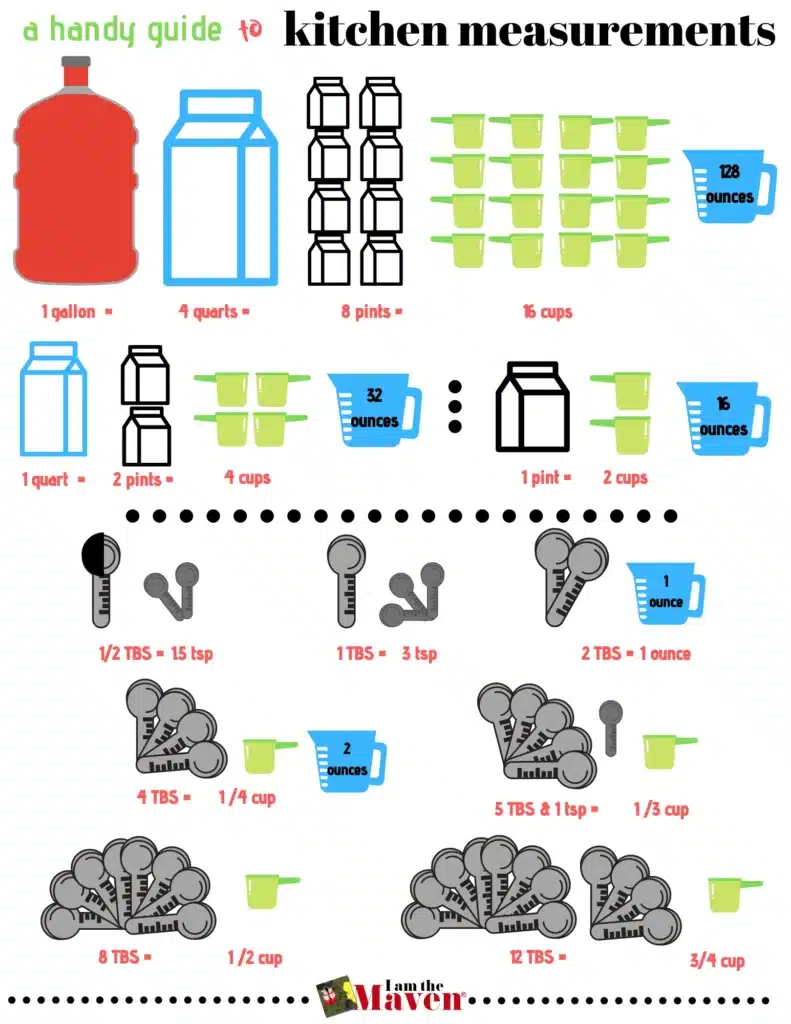
1 quart = 4 cups
-
1 pint = 2 cups
-
1 gallon = 4 quarts or 16 cups
-
1 fluid ounce = 1/8 of a cup
Knowing these comparisons helps you understand the relationship between different units of measurement, especially when working with recipes or handling large volumes of liquid.
How Many Cups in a Quart?
The direct answer to the question is 1 quart equals 4 cups. This conversion is incredibly helpful when you’re working with both small and large amounts of ingredients.
The Quart to Cups Conversion Formula
To convert quarts to cups, all you need to do is multiply the number of quarts by 4. Here’s the simple formula:
-
Cups = Quarts × 4
For example:
-
1 quart × 4 = 4 cups
-
2 quarts × 4 = 8 cups
How to Convert Cups to Quarts
If you need to convert cups back to quarts, you simply divide the number of cups by 4. The formula looks like this:
-
Quarts = Cups ÷ 4
For example:
-
8 cups ÷ 4 = 2 quarts
-
12 cups ÷ 4 = 3 quarts
This simple conversion system makes it easy to switch between the two measurements, whether you’re scaling a recipe or figuring out how much liquid you need for a project.
Why is Understanding Cups in a Quart Important?
Knowing how many cups are in a quart is critical for several reasons, especially in cooking and baking. Here’s why this information can make a big difference in your kitchen.
1. Scaling Recipes
Many recipes are written using cups, but what if you’re preparing a larger quantity of food? For instance, if a recipe calls for 2 quarts of milk, but you only have a 4-cup measuring jug, knowing that 1 quart equals 4 cups can help you quickly determine the right amount.
2. Accurate Measurements
When baking, precise measurements are essential. A small mistake in measurements can result in the final product being too dry, too wet, or not rising properly. Understanding the equivalence of cups and quarts ensures that you get accurate measurements for consistent results.
3. Adjusting Portion Sizes
If you’re cooking for a crowd or scaling down a recipe for a smaller group, it’s useful to know how to convert between cups and quarts. For instance, if a recipe calls for 4 cups of broth, you’ll know that it’s equivalent to 1 quart.
How to Measure Quarts and Cups in the Kitchen
Now that you know the conversions, let’s talk about practical tips for measuring quarts and cups in the kitchen.
1. Use Standard Measuring Cups
When measuring cups, make sure to use standard measuring cups specifically designed for dry and liquid ingredients. Dry measuring cups are typically used for flour, sugar, and other solid ingredients, while liquid measuring cups are designed for liquids like water, milk, and oils. This distinction ensures more accurate measurements.
2. Use the Right Tools for the Job
For larger quantities, such as when you need a quart of a liquid or ingredient, using a liquid measuring jug that displays measurements in quarts and cups is essential. These are usually marked with both cups and quarts to help you quickly determine the right amount.
3. Double-Check Your Measurements
If you’re unsure, always double-check your measurements. It’s easy to misjudge when measuring with standard cups, especially if you’re working with a large batch or need precise quantities for baking.
Practical Examples of Quarts and Cups in Recipes
To help you better understand how these measurements are used in everyday cooking and baking, here are some practical examples.
Example 1: Making Soup
If you’re making a large batch of soup, many recipes call for several quarts of stock or broth. For example, a recipe might call for 2 quarts of chicken broth. Knowing that 1 quart equals 4 cups means that you’ll need 8 cups of chicken broth for the recipe.
Example 2: Baking a Cake
Baking often requires precise measurements, especially for liquids. For instance, a cake recipe might call for 1 quart of milk. Since 1 quart equals 4 cups, you can use your 1-cup measuring cup to measure out the right amount of liquid for your recipe.
Example 3: Preparing a Drink
If you’re preparing a large batch of iced tea or lemonade, you might need to scale up the recipe. If it calls for 1 quart of water for the base, just remember that 1 quart equals 4 cups, so you’ll need 4 cups of water to make the drink.
Common Conversions and Their Uses in Everyday Life
Understanding conversions between cups and quarts is helpful for more than just cooking. Here are some other scenarios where this knowledge comes in handy.
1. Grocery Shopping
When buying liquids, it’s often easier to work with larger containers, such as quarts or gallons, instead of buying many small containers. If you know that a gallon contains 4 quarts, and each quart contains 4 cups, you can make more informed decisions when shopping for products like milk, juice, or oil.
2. Measuring for Storage
For storage purposes, you may need to know how many quarts fit into your containers. Whether you’re storing liquids like soups, stews, or beverages, understanding the quart-to-cup relationship can help you measure out portions and determine how much you can store in each container.
3. Scientific Applications
In some scientific fields, such as chemistry or biology, precise measurements of liquids are essential. Conversions between quarts and cups are part of everyday lab procedures, ensuring accurate mixing, reactions, or measurements for experiments.
Tips for Working with Quarts and Cups
Here are a few more tips for working with cups and quarts effectively in the kitchen.
1. Keep Conversion Charts Handy
If you frequently work with recipes that require conversions, consider keeping a conversion chart in your kitchen. This will make it easy to look up measurements quickly without having to remember them every time.
2. Invest in a Quality Measuring Set
A quality measuring cup set can make your life much easier when dealing with both liquid and dry ingredients. Some measuring cups even come with markings for quarts, which can simplify your measurements and conversions.
3. Practice Makes Perfect
The more you practice using these measurements, the easier it will be to work with them naturally. Soon, you’ll be able to convert quarts to cups and vice versa without having to think twice.
Conclusion
Knowing how many cups are in a quart is a crucial skill in both the kitchen and everyday life. With 1 quart equaling 4 cups, you’ll be able to confidently follow recipes, adjust portion sizes, and make accurate measurements. Whether you’re cooking for a small family or a large gathering, understanding these conversions can save you time and effort. So the next time you’re in the kitchen, remember that 1 quart equals 4 cups, and you’re all set!