



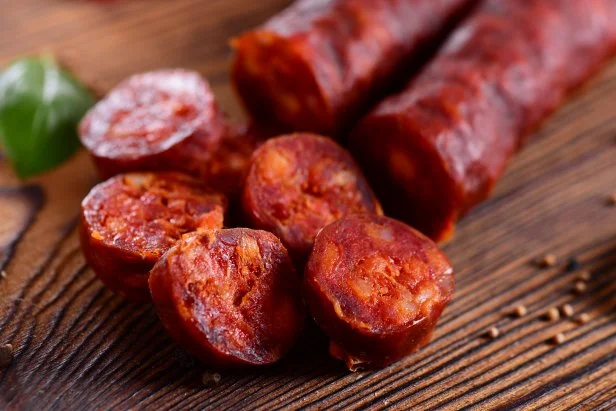

What Is Chorizo? Everything You Need to Know
Chorizo is a beloved ingredient that brings a burst of flavor to countless dishes. Whether you’re a seasoned chef or a home cook, you’ve likely encountered what is the chorizo in many recipes, especially in Spanish, Mexican, and Latin American cuisine. But what exactly is chorizo? This article will delve into its origins, types, and uses, helping you understand what makes this spicy sausage so special.
The Origins of Chorizo
To truly understand what chorizo is, we first need to explore its origins. Chorizo is a type of sausage that has been a staple in various cultures for centuries. Though its exact origins are debated, it is most commonly associated with Spain and Portugal, where it was traditionally made from pork.
Spanish Chorizo
In Spain, chorizo is considered a culinary treasure. The Spanish version is often made from ground pork, pork fat, and a blend of spices, most notably paprika, which gives it its signature red color. The Spanish chorizo is typically dried and cured, making it easy to store for long periods. It is commonly used in tapas, soups, stews, and a variety of other dishes.
Mexican Chorizo
Mexican chorizo, on the other hand, has its own distinct characteristics. Unlike the Spanish variety, Mexican chorizo is usually sold fresh, not cured. It is made from ground pork (or beef) and mixed with various spices such as chili powder, garlic, and vinegar. Mexican chorizo is typically cooked before consumption, often crumbled into dishes like tacos, scrambled eggs, and burritos.
Though both types of chorizo share some similarities, their differences in preparation, texture, and flavor make them unique to their respective cultures.
What Is Chorizo Made Of?
Chorizo is made from a combination of ground meat, fat, and an array of spices. The exact ingredients can vary depending on the region and the type of chorizo being made. Here’s a breakdown of what typically goes into each version:
Spanish Chorizo Ingredients
-
Pork: The primary meat used in Spanish chorizo is ground pork, though some varieties may include beef.
-
Pork Fat: Pork fat adds richness and helps the sausage maintain moisture.
-
Paprika: Paprika is the signature spice in Spanish chorizo, giving it its red color and smoky flavor. The spice is often smoked, adding a deeper flavor profile to the sausage.
-
Garlic: Garlic is frequently used in Spanish chorizo for added depth of flavor.
-
Salt: Essential for curing and preserving the sausage.
-
Other spices: Some varieties of Spanish chorizo may include herbs like oregano, thyme, and cumin.
Mexican Chorizo Ingredients
-
Pork or Beef: Mexican chorizo can be made with either pork or beef, though pork is more common. The meat is ground to a finer texture than in Spanish chorizo.
-
Chili Powder: Mexican chorizo gets its signature spiciness from chili powder, often a combination of dried peppers like ancho, guajillo, or pasilla.
-
Garlic and Vinegar: Garlic is a staple ingredient, and vinegar is added for a slight tanginess.
-
Cumin and Oregano: These herbs and spices give Mexican chorizo its distinctive flavor.
Unlike the Spanish variety, which is cured and dried, Mexican chorizo is typically fresh and must be cooked before consumption.
Different Types of Chorizo
As we’ve seen, chorizo can vary depending on its regional origin. Here are the most popular types:
1. Spanish Chorizo
Spanish chorizo is typically made in two styles: sarta (a thin, long sausage) and de Bilbao (a thicker, coarser variety). It is traditionally air-dried and cured, which allows it to be stored for extended periods.
-
Cured Chorizo: This is the most common type of Spanish chorizo. It is seasoned with paprika and garlic, then cured and dried to develop a robust, intense flavor.
-
Fresh Chorizo: While less common, fresh chorizo is also found in some regions of Spain. It is sold uncooked and must be grilled or fried before consumption.
2. Mexican Chorizo
Mexican chorizo is usually sold fresh and needs to be cooked before eating. It is often used as a flavorful filling for tacos, burritos, and other dishes. The fresh chorizo is sold in sausage casings or as loose meat, depending on the region and the manufacturer.
-
Loose Mexican Chorizo: This type of chorizo comes uncased and is often sold as a loose mixture of ground meat and spices. It is versatile and can be added to eggs, potatoes, or even mixed into soups and stews.
-
Cased Mexican Chorizo: This is the traditional sausage form, which can be sliced, grilled, or chopped into pieces. It’s often found in street food and breakfast dishes.
3. Other Regional Varieties
While Spanish and Mexican chorizo are the most well-known varieties, there are other regional interpretations of chorizo. For example:
-
Portuguese Chorizo (Chouriço): Similar to Spanish chorizo but often spiced with wine and garlic, Portuguese chorizo is also cured and dried. It’s a key ingredient in many Portuguese dishes like caldo verde (green soup) and feijoada (bean stew).
-
Argentine Chorizo: This version is often made with beef, and the meat is coarser in texture than its Spanish or Mexican counterparts. It’s typically grilled, and it is a popular part of the Argentine asado (barbecue).
How to Cook with Chorizo
Now that you know what chorizo is and its different varieties, let’s discuss how to cook with it. Chorizo’s rich, spicy flavor adds depth to a wide range of dishes, from hearty stews to lighter fare like tacos.
Spanish Chorizo
Spanish chorizo is often used as a flavoring agent in dishes like:
-
Tapas: Chorizo can be sliced and served as part of a tapas spread, often paired with olives, cheeses, and bread.
-
Stews and Soups: Spanish chorizo adds a smoky depth to dishes like lentil stew or beans.
-
Paella: Paella is another traditional Spanish dish where chorizo plays a supporting role, alongside other ingredients like seafood, chicken, and rice.
Mexican Chorizo
Mexican chorizo is typically cooked before eating and can be crumbled into many dishes. Here are a few common ways to use it:
-
Tacos: Crumbled chorizo makes a flavorful filling for tacos, often paired with onions, cilantro, and salsa.
-
Eggs: Scrambled eggs with chorizo is a popular breakfast dish, often served with tortillas or as a burrito.
-
Tortas: Mexican chorizo is also used in sandwiches, known as tortas, for a satisfying and spicy meal.
Other Uses for Chorizo
Chorizo can also be used in:
-
Pasta sauces: Add crumbled chorizo to pasta dishes for a spicy kick.
-
Pizza: Chorizo can be sliced and added to pizzas, offering a smoky, savory flavor.
-
Rice dishes: Add chorizo to rice dishes for added depth and flavor.
Health Considerations
While chorizo adds wonderful flavor to meals, it is important to be mindful of its nutritional content. Chorizo is generally high in fat and sodium, so it’s best to enjoy it in moderation. If you’re looking for a leaner option, some recipes for homemade chorizo allow you to control the fat content by using leaner meats like turkey or chicken.
Conclusion
So, what is chorizo? It’s a flavorful, spicy sausage that plays a vital role in many cuisines, particularly Spanish and Mexican. With its rich history, distinctive taste, and versatility in the kitchen, chorizo has earned its place as a beloved ingredient around the world. Whether you’re slicing it for tapas, crumbling it into tacos, or adding it to a hearty stew, chorizo brings bold flavors to the table. By understanding its ingredients, types, and uses, you can fully appreciate the impact this flavorful sausage has on your culinary creations.