




Introduction to Electron Devices and Circuits
Imagine a world without electronic devices. It’s hard, isn’t it? From smartphones to computers, electron devices power our daily lives. These tiny components are the backbone of modern technology, enabling us to connect, create, and innovate like never before. But what exactly are these electron devices and circuits that shape our experiences?
In this blog post, we’ll dive deep into the fascinating realm of electron devices and circuits. We’ll explore their types, applications, and how they fit together in intricate systems that drive everything from simple gadgets to complex machinery. Whether you’re an electronics enthusiast or just curious about how things work under the hood, there’s plenty to discover in this electrifying journey!
Types of Electron Devices
Electron devices are essential components in modern electronics. They come in various types, each serving specific functions.
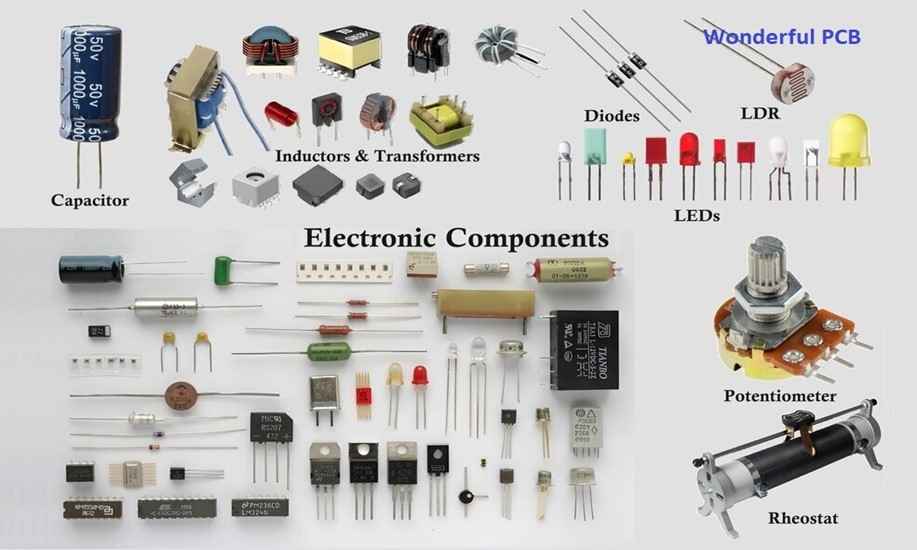
Diodes are one of the simplest electron devices. They allow current to flow in only one direction, making them crucial for rectification processes.
Transistors follow closely behind. These versatile components can amplify signals or act as switches. Their applications range from computers to mobile phones, showcasing their importance in everyday technology.
Integrated circuits take it a step further by combining multiple electronic components into a single chip. This miniaturization has led to significant advancements in computing power and efficiency.
Another noteworthy type is the thyristor, which controls high-voltage currents with ease. It finds its place mainly in power control systems.
Optoelectronic devices like LEDs convert electrical energy into light and vice versa. Their presence is felt across lighting solutions and display technologies today.
Applications of Electron Devices
Electron devices play a crucial role in modern technology, impacting various industries. Their applications span from consumer electronics to complex industrial systems.
In telecommunications, electron devices facilitate communication through signal amplification and modulation. Devices like transistors and diodes are essential for managing data transmission over long distances.
Healthcare also benefits significantly. Medical imaging technologies such as MRI machines rely on sophisticated electron devices to generate high-quality images of internal organs.
Automotive technology has seen advancements due to these devices. They enhance vehicle performance through electronic control units that manage everything from engine efficiency to safety features.
Additionally, electron devices are foundational in renewable energy systems, helping convert solar energy into usable electricity efficiently. The versatility of these components ensures their presence across countless applications in our daily lives.
Common Circuit Elements and their Functions
Common circuit elements play crucial roles in the functionality of electronic devices. Resistors, for instance, limit current flow and divide voltages. They ensure that components receive the appropriate amount of power.
Capacitors store electrical energy temporarily. They smooth out voltage fluctuations and can release energy when needed, making them essential for stabilizing circuits.
Inductors, on the other hand, store energy in a magnetic field when current passes through them. This feature is particularly useful in applications like filtering and tuning circuits.
Diodes allow current to flow only in one direction. They are vital for converting alternating current (AC) to direct current (DC), ensuring devices operate safely and efficiently.
Transistors act as switches or amplifiers within circuits. Their ability to control large currents with small input signals makes them fundamental to modern electronics.
Each element works cohesively within circuits, contributing to the overall performance of electron devices.
Types of Circuits – Series, Parallel, and Complex
Circuits come in various configurations, each with unique characteristics. Series circuits are straightforward. They connect components end-to-end, providing a single path for current flow. If one part fails, the entire circuit stops working.
Parallel circuits offer versatility. Components connect across common voltage points, creating multiple paths for current. This means if one component fails, others can still function. It’s an efficient design often used in household wiring.
Complex circuits combine elements of both series and parallel arrangements. These systems allow for intricate designs that meet specific functionality needs while enhancing reliability and performance.
Understanding these different types is crucial for designing effective electronic systems. Each configuration serves its purpose based on the desired outcome and application requirements, making knowledge essential for engineers and hobbyists alike.
Troubleshooting Circuit Problems
Troubleshooting circuit problems can be a daunting task, but it’s often a necessary part of working with electron devices and circuits. The first step is to gather the right tools. A multimeter is essential for measuring voltage, current, and resistance.
Start by inspecting the physical components. Look for obvious signs of damage like burnt resistors or loose connections. Often, these visible issues are the culprits behind circuit failures.
Next, check your power source. Ensure that it’s providing adequate voltage and current as per specifications. Sometimes, it’s simply a matter of replacing batteries or plugging in an adapter correctly.
If everything seems intact but issues persist, use your multimeter to test each segment of the circuit systematically. This will help isolate where things might be going wrong without overwhelming you with complexity.
Documenting your findings throughout this process can also streamline future troubleshooting efforts while deepening your understanding of how various elements interact within the circuit.
Industry Trends in Electron Devices and Circuits
The landscape of electron devices and circuits is rapidly evolving. Advancements in semiconductor technology are at the forefront, driving miniaturization and improving efficiency. As manufacturers strive for smaller, more powerful components, we see a significant push towards nanotechnology.
Sustainability is another key trend shaping this industry. Companies are increasingly focused on creating energy-efficient devices to reduce their carbon footprint. This shift aligns with global initiatives aimed at promoting greener technologies.
Moreover, the rise of Internet of Things (IoT) applications has spurred innovation in circuit design. Smart devices require sophisticated circuits that can handle real-time data processing while maintaining low power consumption.
Artificial intelligence also plays a growing role in optimizing electronic systems. AI algorithms enhance device performance by predicting failures and automating adjustments within circuits, paving the way for smarter electronics across various domains.
Conclusion
Understanding electron devices and circuits is essential in today’s technology-driven world. These components are the backbone of countless applications, ranging from everyday gadgets to complex industrial systems. As technology advances, so does the importance of mastering these concepts.
The variety of electron devices available provides innovative solutions across multiple sectors. From smartphones to renewable energy systems, their versatility cannot be overstated. The ability to identify circuit elements and grasp their functions enhances troubleshooting skills, allowing for more efficient problem-solving.
As industries evolve, staying updated on trends in electron devices and circuits becomes crucial. Emerging technologies such as IoT and smart devices will continue shaping this field, pushing the boundaries even further.
Embracing knowledge about these topics opens doors to numerous opportunities in engineering and electronics. It also fosters creativity needed for developing future innovations that can change lives globally. Engaging with this subject not only enriches understanding but also inspires new ideas for advancements yet to come.




