



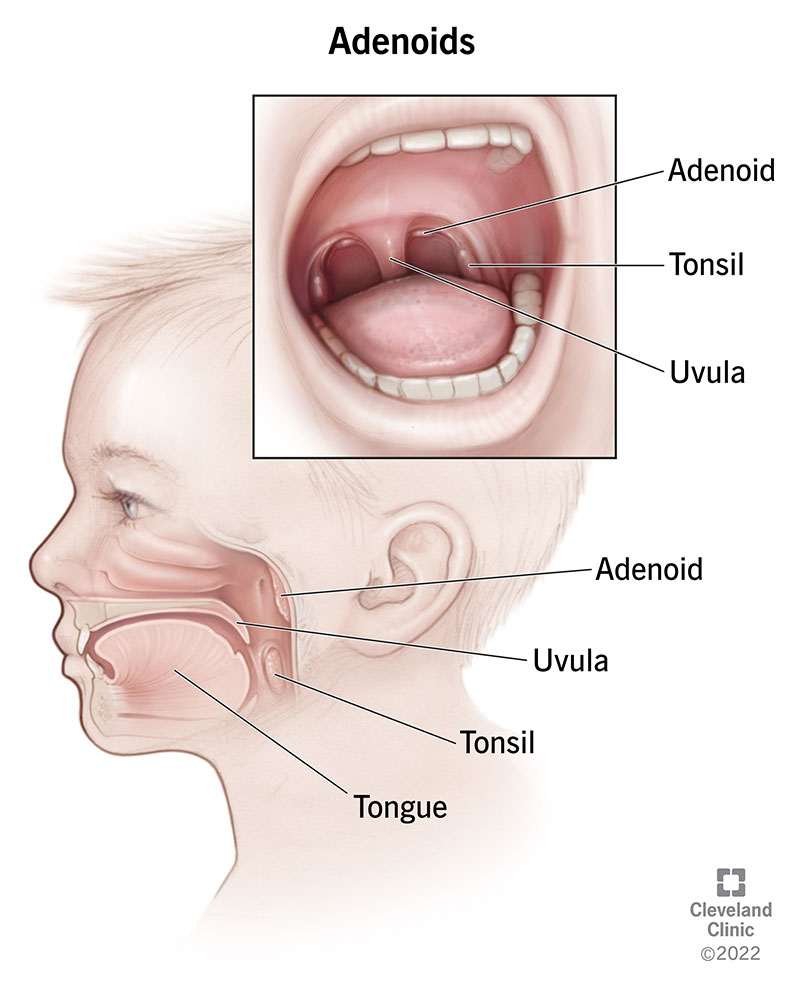

When it comes to our health, many of us focus on the vital organs we can see and feel. But what about those hidden players in our body that quietly contribute to our well-being? One such group is the adenoids. These small masses of lymphatic tissue sit behind your nose and play a crucial role in your immune system, especially during childhood. However, when they become enlarged or inflamed—a condition known as adenoiditis—they can lead to a host of problems. Let’s dive into what you need to know about these often-overlooked tissues, from their function and symptoms when things go awry to treatment options and preventive measures you can take for better respiratory health.
What are Adenoids?
Adenoids are small, soft masses of lymphatic tissue located at the back of the nasal cavity. They play a vital role in your immune system during early childhood by helping to trap pathogens that enter through the nose and mouth.
As part of our body’s defense mechanism, adenoids produce antibodies that help fight infections. They work closely with other components of the lymphatic system, such as tonsils, to keep harmful bacteria and viruses at bay.
While adenoids are essential for young children, they often shrink or become less active as we age. Despite their importance in early life, many people may not be aware they have them until issues arise—such as when they become enlarged or inflamed due to infection or allergies. This can lead to various health concerns requiring attention.
Symptoms of Enlarged Adenoids
Enlarged adenoids can lead to a variety of noticeable symptoms. One common sign is nasal obstruction, which may result in difficulty breathing through the nose. This can cause snoring or noisy breathing during sleep.
Individuals with enlarged adenoids often experience frequent ear infections or sinus issues. The swelling can block the Eustachian tubes, leading to fluid buildup and discomfort.
Additionally, children might have trouble swallowing or exhibit a change in their voice quality, making it sound more nasal than usual. Parents may also observe persistent bad breath that doesn’t improve with regular dental hygiene.
Sleep disturbances are another concern. Children affected by enlarged adenoids might struggle with restlessness at night due to interrupted airflow or choking sensations while sleeping. Recognizing these symptoms early on is crucial for seeking appropriate care and treatment options.
Causes of Adenoiditis
Adenoiditis is primarily caused by infections. Bacterial and viral infections can lead to inflammation of the adenoids, which are located at the back of the throat.
Common culprits include colds and sinus infections. These conditions create an ideal environment for bacteria or viruses to proliferate.
Allergies also play a significant role in triggering adenoiditis. When allergens enter the body, they can cause swelling and irritation in the adenoids.
Another contributing factor is environmental irritants like smoke or pollution. Prolonged exposure may weaken your immune response, making adenoid tissue more susceptible to infection.
Genetic predisposition might also come into play. If there’s a family history of respiratory issues, individuals may be more likely to develop problems related to their adenoids over time.
Treatment Options for Adenoiditis
When addressing adenoiditis, treatment options vary based on the severity of the condition. For mild cases, doctors often recommend watchful waiting. In many instances, symptoms may improve without intervention.
For more persistent issues, medications such as antibiotics can be prescribed if a bacterial infection is suspected. Nasal corticosteroids are also effective in reducing inflammation and easing breathing difficulties.
In chronic or severe cases where other treatments fail to provide relief, surgical removal may be necessary. Adenoidectomy is a common procedure that involves removing the enlarged adenoids to alleviate symptoms.
Post-surgery care plays an essential role in recovery. Patients typically need time to heal and should follow their healthcare provider’s recommendations closely for optimal results.
Alternative Remedies for Adenoiditis
Exploring alternative remedies for adenoiditis can provide additional relief alongside conventional treatments. Natural options might soothe discomfort and promote healing.
Steam inhalation is a popular method. Breathing in warm, moist air helps open up nasal passages and reduces inflammation. This simple practice can be done at home with a bowl of hot water or during a warm shower.
Herbal teas like chamomile or peppermint may also offer support. These beverages have anti-inflammatory properties that could alleviate symptoms while providing hydration.
Saltwater gargles are another effective remedy. They help reduce throat irritation and cleanse the area around swollen adenoids, promoting overall comfort.
Essential oils such as eucalyptus or tea tree oil might enhance respiratory function when used in diffusers or diluted for topical application. Always consult with a healthcare provider before trying new remedies to ensure safety and effectiveness tailored to individual needs.
Prevention of Adenoid Problems
Maintaining good overall health can help prevent adenoid problems. A balanced diet rich in fruits and vegetables boosts the immune system, making it less susceptible to infections.
Regular handwashing is essential. It reduces the risk of colds and respiratory illnesses that may lead to adenoid enlargement. Teaching children proper hygiene habits early on sets a solid foundation for their health.
Avoiding exposure to allergens is another preventive measure. Dust, pet dander, and pollen can irritate nasal passages, increasing inflammation around the adenoids.
Encouraging healthy sleep routines also plays a role. Adequate rest supports immune function and helps keep airways clear during sleep cycles.
Regular check-ups with a healthcare provider ensure any emerging issues are addressed promptly, helping maintain optimal ear and throat health in both children and adults.
Conclusion
Adenoids play a crucial role in our immune system, especially during childhood. Understanding their function and the potential issues that can arise from them is essential for parents and caregivers. Enlarged adenoids can lead to various symptoms, impacting breathing, sleep, and overall health.
If you notice signs of enlarged adenoids or recurrent infections like adenoiditis in your child, it’s important to consult with a healthcare professional. They can provide guidance on treatment options ranging from medications to surgical interventions if necessary.
While modern medicine offers effective treatments, alternative remedies may also support recovery and improve comfort levels. These methods should be discussed with a healthcare provider before use.
Preventative measures are equally important in maintaining healthy adenoid function. Encouraging good hygiene practices and promoting a healthy lifestyle can help reduce the risk of infections that may affect these glands.
Being informed about adenoids allows you to make better decisions regarding your child’s health care needs. Stay vigilant for any changes or symptoms related to this small but significant part of the body.