




Introduction to Face Piercings
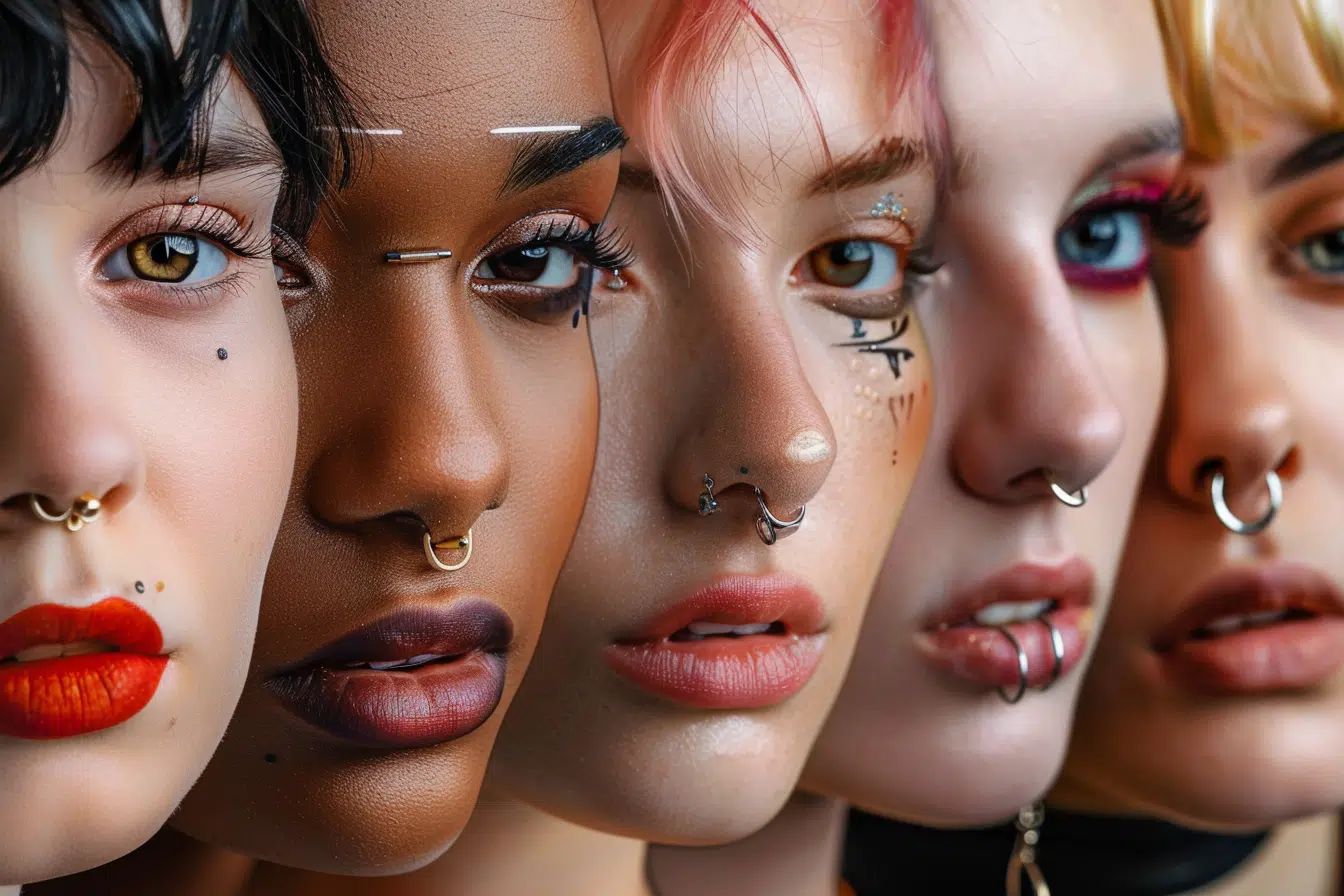
Face piercings have become a popular form of self-expression, turning heads and sparking conversations wherever you go. From subtle accents to bold statements, these adornments add personality and flair to any look. Whether you’re drawn in by the aesthetics or the cultural significance behind them, face piercings offer something for everyone.
As trends evolve, so do the styles and meanings associated with facial piercings. What once may have been considered taboo is now embraced by various communities across the globe. With a rich history and an array of options available today, there’s much to explore about this captivating trend.
If you’ve ever thought about taking the plunge into the world of face piercings or are simply curious about their origins and types, keep reading!
History of Facial Piercings
Facial piercings have roots that stretch back thousands of years. Ancient cultures embraced the practice for various reasons, including spiritual and social significance.
In some tribes, facial piercings signified status or bravery. The Maasai people of East Africa, for example, traditionally wore lip plates to denote maturity and beauty.
The Egyptians also adorned themselves with body modifications. They believed that certain piercings could protect against evil spirits.
As time progressed, these adornments spread globally through trade routes and cultural exchanges. In the 20th century, facial piercings became more mainstream in Western societies, often associated with countercultures and self-expression.
Today’s trends reflect a blend of history and personal identity as individuals choose unique styles to showcase their individuality. This evolution highlights how face piercings remain a powerful form of artistic expression across different eras and communities.
Popular Types of Face Piercings
Face piercings come in various styles, each showcasing personal expression. The nostril piercing is one of the most common options, adding a subtle flair to your look.
Septum piercings have surged in popularity. They offer an edgy vibe and can be adorned with unique jewelry that stands out.
Eyebrow piercings are another favorite among enthusiasts. This type brings an element of playfulness while framing the eyes beautifully.
For those who prefer something more daring, lip piercings like labrets or snake bites create a striking appearance. These add character to facial features and can be customized easily.
Bridge piercings sit elegantly on the nose’s bridge, making them perfect for those wanting to push boundaries without overwhelming their features. Each type serves as a canvas for creativity and individuality.
Pain and Healing Process
When considering face piercings, pain is often a primary concern. The level of discomfort varies depending on the type of piercing and individual pain tolerance. Generally, most people describe the sensation as a quick pinch or sting.
After getting pierced, it’s normal to experience some swelling and tenderness. This usually subsides within a few days. However, proper aftercare plays a crucial role in minimizing discomfort during the healing process.
Healing times can vary significantly based on the piercing location. For example, nostril piercings may heal within 2-4 months, while septum piercings might take up to 6 months to fully settle down.
Listening to your body is essential during this time. If you notice excessive redness or discharge beyond what’s typical for new piercings, consult with your piercer or healthcare professional immediately for advice and potential intervention if necessary.
Choosing a Reputable Piercer
When it comes to face piercings, selecting the right piercer is crucial. Look for someone who specializes in facial piercings and has a solid portfolio of their work. A reputable piercer will display their certifications and health standards prominently.
Check online reviews and ask friends for recommendations. It’s important to gauge other people’s experiences before making your decision.
During your consultation, pay attention to how they communicate. A good piercer should be patient, willing to answer questions, and able to explain the process clearly.
Visit the studio beforehand if possible. Cleanliness is key—ensure that tools are sterilized and that the environment feels safe.
Trust your instincts; if something feels off, don’t hesitate to look elsewhere. Your comfort matters just as much as skill when it comes to getting a piercing done safely.
Aftercare and Maintenance Tips
After getting your face piercings, proper aftercare is essential for healing and preventing infections. Start by cleaning the area with a saline solution or a mild antiseptic recommended by your piercer.
Avoid touching the piercing with dirty hands to minimize bacteria exposure.
Keep hair products, makeup, and other irritants away from the site during the initial healing phase.
Change pillowcases frequently to avoid irritation while you sleep.
If you notice any redness or swelling that persists beyond a few days, consult with your piercer or a healthcare professional promptly.
Additionally, steer clear of swimming pools and hot tubs until fully healed. This reduces risks associated with bacterial exposure in water.
Be patient; some piercings take longer to heal than others based on location and individual body responses. Each person’s journey is unique!
Risks and Precautions to Consider
Face piercings can be a bold expression of individuality, but they come with risks that shouldn’t be ignored. One major concern is infection. Open wounds are vulnerable to bacteria, so choosing a clean environment for your piercing is crucial.
Allergic reactions to jewelry materials can also occur. Opt for hypoallergenic metals like titanium or surgical stainless steel to minimize this risk.
Keloids, raised scars that form at the site of an injury, might develop in some individuals after piercing. If you have a history of keloid formation, consult with a professional beforehand.
Additionally, consider the healing time and possible discomfort associated with each type of facial piercing. Be prepared for swelling and tenderness during the initial stages.
Remember that certain professions may have strict policies against visible piercings. Always weigh personal expression against any potential impact on your career or lifestyle choices.
Cultural and Social Significance of Face Piercings
Face piercings carry deep cultural and social meanings across various communities. In many indigenous cultures, these adornments symbolize rites of passage or spiritual connections. They often serve as a mark of identity, showcasing personal beliefs and heritage.
Socially, face piercings can challenge norms and express individuality. In some circles, they reflect rebellion against traditional standards. For others, they signify belonging to specific subcultures or movements.
The interpretation of face piercings varies widely around the globe. What may be seen as beautiful in one culture might evoke different sentiments elsewhere. This diversity adds richness to their significance.
In contemporary society, celebrities and influencers have amplified the popularity of facial jewelry. Trends evolve rapidly but the fundamental purpose remains: self-expression and empowerment through body art.
FAQs about Face Piercings
Face piercings often raise questions for those considering them. One common query is about the pain level associated with different types. While everyone has a unique threshold, many find facial piercings more tolerable than expected.
Another frequent concern involves healing time. Different piercings heal at varying rates; for example, nostril piercings typically take 2-4 months to fully heal, whereas septum piercings may take around 6-8 weeks.
People also wonder about jewelry options post-piercing. Initially, it’s essential to stick with high-quality materials like titanium or surgical steel to minimize irritation and promote healing.
Additionally, some ask if there are any activities they should avoid during recovery. It’s best to steer clear of swimming pools and harsh skincare products until your piercing is completely healed.
Many seek advice on how visible certain face piercings might be in professional settings. Choosing discreet placements can help balance personal expression with workplace expectations.
Conclusion
Face piercings have become a popular form of self-expression and individuality. With roots that trace back thousands of years, these adornments hold diverse meanings across different cultures and societies. Today, people are drawn to various types of facial piercings, each offering unique aesthetics and styles.
Choosing the right piercer is crucial for both safety and achieving your desired look. It’s important to follow aftercare guidelines diligently to ensure proper healing. Being informed about potential risks can help you make confident decisions regarding your body art.
Whether you’re considering a simple nose stud or an elaborate eyebrow piercing, understanding the cultural significance behind face piercings adds depth to this choice. Embracing this trend means embracing history while also carving out your own personal narrative in today’s world.
Face piercings continue to evolve as part of modern fashion statements, allowing individuals to showcase their creativity and personality boldly.




