




Introduction to Ceiling Fans
Ceiling fans are often seen as a summer staple, but they can be just as beneficial in the winter months. Many homeowners overlook the potential of their ceiling fan direction for winter when temperatures drop. A simple adjustment to your fan’s direction can create a cozy atmosphere and help reduce energy costs during those chilly days.
As winter sets in, understanding how to use your ceiling fan direction for winter effectively becomes crucial. The right settings not only enhance comfort but also play a significant role in maintaining an efficient heating system at home. If you’ve ever wondered about the best way to utilize this handy appliance during colder seasons, you’re in for some valuable insights!
Understanding the Importance of Ceiling Fan Direction in Winter
Ceiling fan direction plays a crucial role in maintaining comfort during winter months. Many homeowners overlook this simple adjustment, but it can greatly impact heating efficiency.
In colder weather, warm air tends to rise and gather near the ceiling. A properly set ceiling fan helps redistribute that warmth throughout the room. By reversing the fan’s direction, you create a gentle updraft that pushes heated air back down where it’s needed most.
This not only keeps your space cozy but also reduces energy costs. When warm air circulates effectively, you’re less reliant on your heating system to maintain comfortable temperatures.
Understanding this concept transforms how you heat your home. It turns an often-neglected appliance into a valuable ally against winter chills, enhancing both comfort and efficiency without additional energy consumption.
The Correct Direction for Winter: Clockwise vs. Counterclockwise
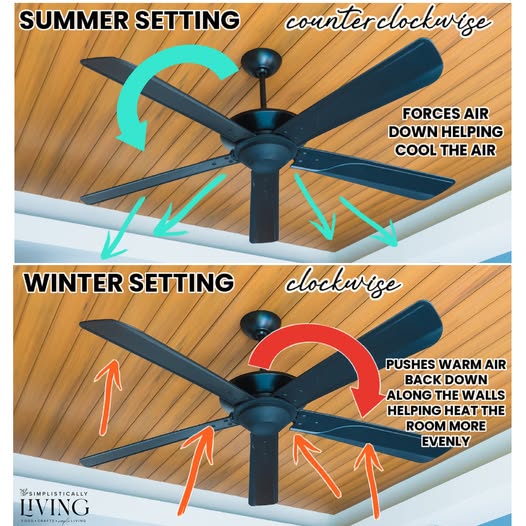
When it comes to ceiling fan direction for winter, the correct setting is crucial. You want your fan to rotate clockwise. This direction pushes warm air that has risen back down into your living space.
As heat rises, it creates a layer of warmth near the ceiling. Running your ceiling fan in a clockwise motion helps circulate this trapped warmth throughout the room.
This simple adjustment can significantly enhance comfort without increasing your heating costs.
However, many people don’t realize that their fans often come set for summer use—counterclockwise rotation—which creates a cooling breeze instead. Switching to the right mode can make all the difference on chilly days and nights.
Make sure you check if your fan has a reverse switch or remote control option to easily adjust its direction when needed.
Benefits of Changing Your Ceiling Fan Direction for Winter
Changing your ceiling fan direction for winter offers a surprising number of benefits. When set to rotate clockwise, fans create an upward airflow. This action pushes the warm air that rises back down into the living space.
By redistributing heat effectively, you can maintain a cozy atmosphere without cranking up the thermostat. This simple adjustment can lead to notable energy savings on heating bills.
Additionally, a well-placed ceiling fan helps eliminate cold spots in large rooms or open spaces. It promotes even warmth throughout areas where heaters may struggle to reach.
Moreover, using your fan during winter reduces reliance on central heating systems. A more balanced temperature means increased comfort and less wear and tear on your HVAC system over time.
You’ll appreciate how much warmer your home feels with this easy switch, all while being kinder to both your wallet and the environment.
Tips for Changing Your Ceiling Fan Direction
Changing your ceiling fan direction is a simple task. Start by turning off the fan for safety. Then, look for the small switch on the side of the fan’s motor housing; this controls the direction.
If you want to push warm air down during winter, set it to clockwise. This helps circulate heat trapped near the ceiling back into your living space.
Before changing settings, ensure that any obstructions are cleared away from blades. This ensures smooth operation and reduces noise.
After switching directions, turn on your fan at a low speed. You’ll feel a gentle breeze warming up your room as air circulates evenly throughout.
Regularly check if fans need dusting or cleaning too. Dust can impact efficiency and airflow quality significantly over time. Keeping blades clean will enhance performance and extend their lifespan effectively.
Other Ways to Keep Warm in Winter
When the chill sets in, there are plenty of cozy strategies to enhance your warmth. Layering your clothing is a simple yet effective method. Opt for thick socks, sweaters, and blankets that make you feel snug.
Sealing drafts around windows and doors can significantly reduce heat loss. Use weatherstripping or draft stoppers to keep the cold air at bay. This small effort makes a big difference in maintaining a warm environment.
Consider utilizing heavy curtains as well. They not only provide privacy but also act as insulators against chilly winds when drawn closed during nighttime.
Heating pads or electric blankets are another delightful way to stay warm while lounging on the couch or sleeping at night. These tools offer immediate comfort in those colder hours.
Don’t forget about hydration—warm drinks like herbal tea or hot cocoa can elevate your body temperature from within, making cold days much more enjoyable.
Conclusion
Ceiling fans are more than just a stylish addition to your home; they serve practical purposes throughout the year. During winter months, adjusting your ceiling fan direction can significantly impact comfort levels and energy efficiency.
Understanding how to set your fan correctly is crucial for maximizing warmth in chilly seasons. The right clockwise rotation helps circulate warm air that rises near the ceiling back down into the living space.
Switching your ceiling fan to spin clockwise enhances heat distribution without creating a chilling breeze. This simple adjustment can lead to lower heating bills while keeping you cozy.
When it’s time to change your fan’s direction, consider doing it when you’re switching on or off other seasonal appliances. Most fans come with an easy-to-use switch on their motor housing for directional changes.
While adjusting your ceiling fan contributes greatly to maintaining warmth, there are additional strategies you might explore as well: using heavy curtains, sealing drafts around windows and doors, or employing area rugs can all help create a snug atmosphere during winter.
Staying warm in winter doesn’t have to be complicated or costly—small adjustments like changing your ceiling fan direction make a significant difference in comfort and efficiency at home.